
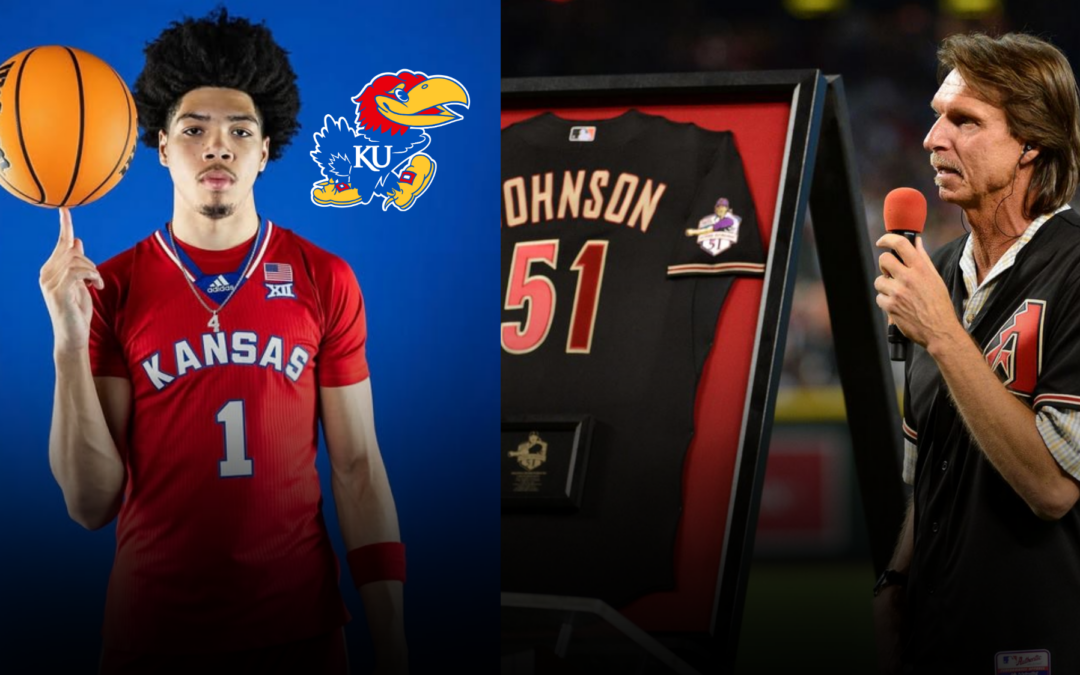
If you missed the latest episode of Watts Up Sports Hour with Donald Watts and JB, this recap captures the major storylines shaping Seattle sports right now. From the Mariners regaining form to Seahawks offseason moves and growing concerns in college athletics, the conversation blended insight, perspective, and honest reactions to today’s evolving sports landscape.
Mariners Show Signs of Life, But Questions Remain
The Seattle Mariners are finally trending in the right direction after a rough start to the season. Winning six of their last seven games, the team has worked its way back to a .500 record and appears to be finding rhythm at the right time. Still, Donald Watts emphasized that short stretches of success won’t mean much unless they can maintain it consistently. For a team that has struggled with ups and downs over the past few seasons, avoiding that “Jekyll and Hyde” identity is crucial.
Watts pointed out that true contenders separate themselves by sustaining strong play over time, not just flashes of excellence. While recent performances have been encouraging, especially offensively, pitching inconsistencies—particularly from key starters—remain something to monitor. With younger arms waiting for opportunities, there is added pressure for veterans to perform. Moving forward, the Mariners’ success will likely come down to a simple but difficult goal: winning series consistently and staying above .500 over the long haul.
Randy Johnson Honored as Mariners Icon
Credits to the Rightful Owner of this Photo.
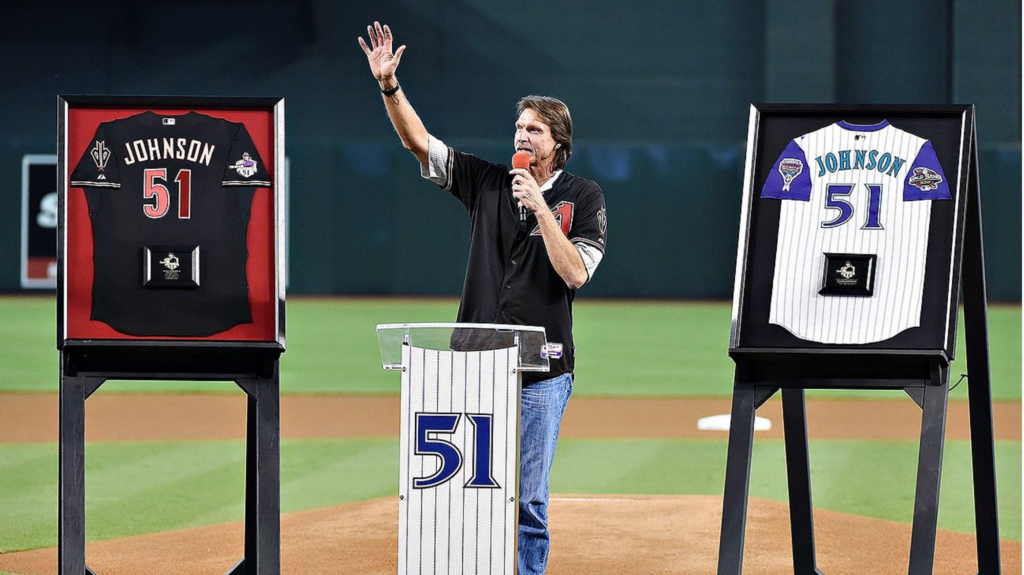
A major moment for Seattle baseball is the retirement of Randy Johnson’s No. 51 at T-Mobile Park. For many fans and players alike, including Watts, Johnson represented a dominant force who helped shape an unforgettable era of Mariners baseball. His intensity on the mound, combined with his elite talent, made him one of the most intimidating pitchers in the history of the game.
Reflecting on Johnson’s career brings a sense of nostalgia, especially when paired with memories of the 1995 season that helped save baseball in Seattle. Alongside stars like Ken Griffey Jr. and Edgar Martinez, Johnson played a pivotal role in building a lasting connection between the team and the city. His return to be honored now feels like a full-circle moment, reinforcing the importance of that era and its influence on the Mariners’ identity today.
Seahawks Looking to Balance Success and Stability
The Seattle Seahawks enter the offseason in a strong position after a championship run, but the conversation quickly shifted to what it takes to stay at the top. According to Watts, winning a title does not automatically mean a program is fully established. Instead, it’s a step in a longer process of building consistency, culture, and long-term success.
The team’s recent draft appears solid, particularly in how they addressed depth and roster needs. However, there are lingering concerns about continuity, especially on offense. With changes at the coordinator level, maintaining chemistry between the quarterback, coaching staff, and overall system will be critical. While there has been an effort to keep offensive philosophies aligned, Watts noted that execution in high-pressure moments often depends on familiarity and trust developed over time.
There’s optimism surrounding the talent on the roster, but the Seahawks are still evolving as a program. Their ability to handle key moments next season—especially against experienced teams—will reveal whether they can sustain championship-level performance
NCAA Expansion Raises Bigger Questions
One of the more controversial topics discussed was the NCAA’s decision to expand the basketball tournament from 68 to 76 teams. While expansion may increase opportunities and revenue, Watts questioned whether it addresses the real issues currently facing college basketball.
He expressed concern that the sport is undergoing rapid changes without fully resolving deeper challenges, particularly surrounding the transfer portal and NIL (Name, Image, and Likeness) era. While acknowledging that athletes deserve compensation and more freedom, he also pointed out that the traditional “student-athlete experience” has been significantly disrupted. Increased player movement, shortened commitments, and shifting motivations have changed the fabric of college sports.
Rather than expanding the tournament, Watts suggested that the NCAA should focus on stabilizing the system and improving the overall experience for both players and programs. In his view, the tournament has historically been one of the few consistent and successful aspects of college basketball, making any changes feel risky.
Tyron Stokes and the New Era of Recruiting
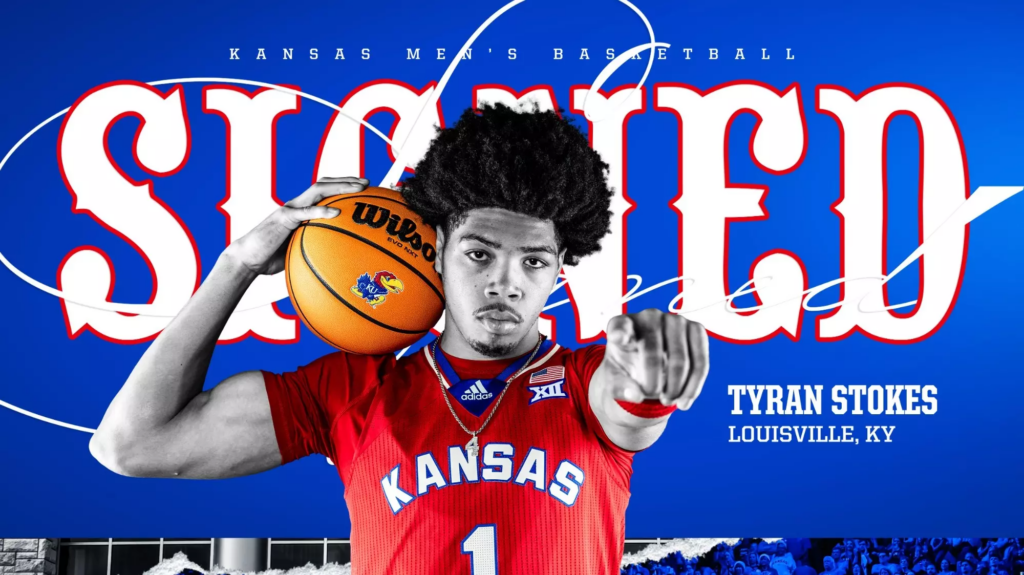
Seattle continues to produce elite basketball talent, and the spotlight now shines on Tyron Stokes, the nation’s top recruit, who recently committed to Kansas. His announcement, made in a modern and highly public way through an NBA 2K-themed reveal, reflects how much recruiting has evolved in the NIL era.
Credits to the Rightful Owner of this Photo.
Stokes represents more than just talent—he symbolizes the growing intersection of sports, media, and business at a young age. Players now enter college with significant exposure, financial opportunities, and expectations long before they step on campus. While this creates exciting opportunities, it also introduces new pressures.
Watts emphasized that for players like Stokes, success will depend not only on skill but also on maturity, discipline, and having the right support system. Managing attention, expectations, and development simultaneously has become one of the biggest challenges for top prospects today.
LeBron, Jordan, and the Endless GOAT Debate
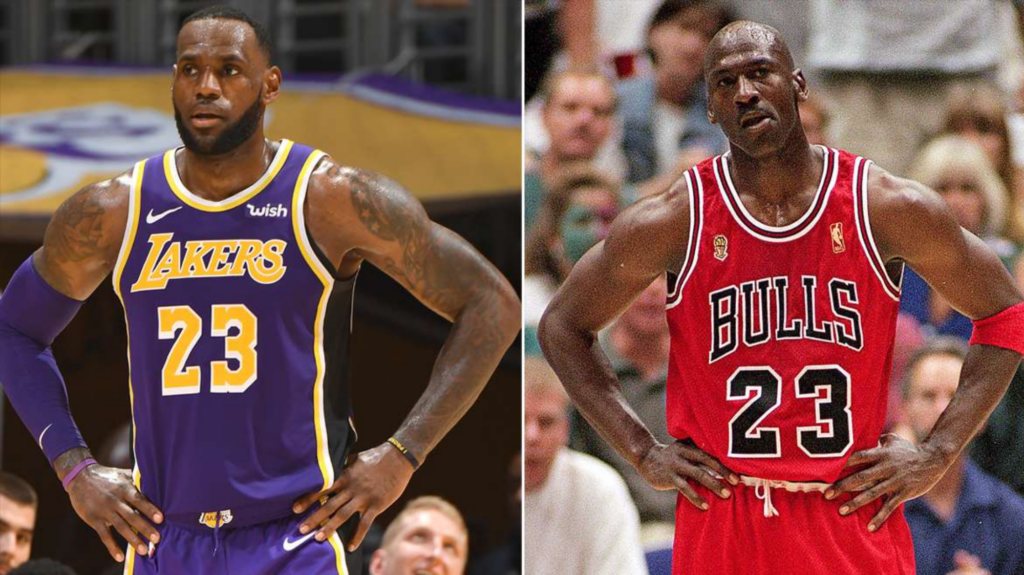
The conversation wrapped up with another chapter in the ongoing debate over basketball’s greatest player of all time. With LeBron James once again addressing comparisons to Michael Jordan, the discussion highlighted the difficulty of defining greatness using a single standard.
Watts acknowledged LeBron’s incredible career and longevity, calling his accomplishments unprecedented, but also pointed out the frustration many fans feel with the lack of consistent criteria in these debates. Whether the focus is championships, individual dominance, or longevity, the argument often shifts depending on perspective.
Credits to the Rightful Owner of this Photo.
In the end, the discussion reinforced a broader point: while comparisons are inevitable, they can sometimes distract from appreciating greatness in its own right. Both players have left undeniable impacts on the game, and their legacies continue to shape how basketball is viewed today.
Investing in the Next Generation Through Basketball
Beyond professional and college sports, Donald Watts continues to emphasize the importance of youth development. Through his programs and the Watts Foundation, the goal is to create positive basketball experiences that focus on growth, confidence, and personal development both on and off the court. Learn more here.
This summer, young athletes have the opportunity to train in an environment designed to encourage learning and passion for the game, rather than pressure and criticism. For families and supporters, it’s also an opportunity to invest in the next generation of players and leaders.
A limited-time offer is available with promo code WUSH100, providing a discount for early registrations. More information can be found at WattsBasketball.com and TheWattsFoundation.org.
This episode of Watts Up Sports Hour highlights how sports continue to evolve at every level—from professional leagues to college systems and youth development. Whether it’s the Mariners finding momentum, the Seahawks building toward sustained success, or the NCAA navigating change, one theme remains consistent: growth comes with challenges, and how teams, players, and organizations respond will define what comes next.